




Jewelry Insurance Rider: 1–2% Cost Examples and Broker Quotes

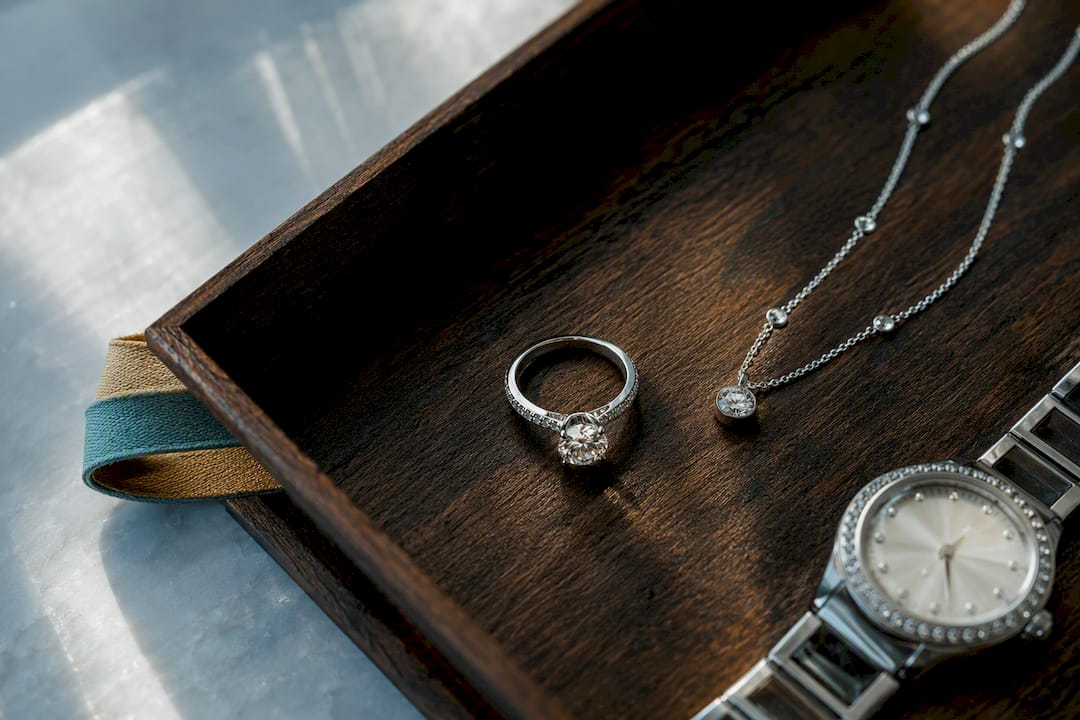
A jewelry insurance rider, formally called a scheduled personal property endorsement, adds specific pieces to your homeowners or renters policy at agreed values, typically for about 1% to 2% of the item’s worth per year. It’s the fastest fix for a homeowners policy that caps jewelry theft coverage at a low dollar amount. A $5,000 ring might cost roughly one to two percent of its value per year to schedule. Anything with real sentimental weight or a value above your policy’s cap is a candidate.
TL;DR:
A jewelry rider typically costs 1% to 2% of the item’s insured value annually, making it a cost-effective solution for high-value or sentimental pieces.
Standalone jewelry insurance policies often provide broader coverage, including accidental loss and worldwide travel protection, but may come with higher premiums and different claim processes.
Insurers require documentation such as appraisals, receipts, and photos before issuing coverage, with appraisals recommended every three to five years to reflect changing gem values.
When choosing coverage, compare deductibles and settlement methods, as agreed-value policies may offer more predictable payouts regardless of market fluctuations.
Working with an insurance broker can streamline the quote process across multiple carriers, saving time and ensuring you get the best coverage options based on your needs.
Table of Contents
What Is a Jewelry Insurance Rider vs. Standalone Coverage?
A rider works by itemizing each piece on your existing homeowners or renters policy. You list the ring, the necklace, the watch, each with an agreed value, and the insurer adjusts your policy limits accordingly. This is the mechanism behind scheduled personal property endorsements, and it’s why insurers ask for an appraisal before they’ll add anything of real value.
Standalone jewelry insurance is a different animal entirely. Rather than modifying an existing policy, you buy a dedicated policy from a specialty insurer. These policies tend to use “all risks” language, meaning they cover a broader range of loss scenarios by default, including accidental loss and mysterious disappearance, two categories homeowners riders sometimes exclude or price separately, according to the Insurance Information Institute.
The practical differences show up when something actually happens:
A rider claim for a stolen bracelet typically settles at the agreed value listed on the endorsement, minus any deductible your homeowners policy carries.
A standalone policy claim for the same loss might settle with a $0 deductible and a repair-or-replace option through a jeweler, rather than a cash payout, a feature some specialty insurers highlight, per BriteCo.
Mysterious disappearance, losing a stone from a setting with no evidence of theft, is one of the more common exclusions on basic homeowners endorsements but a standard inclusion on many standalone policies.
Worldwide coverage while traveling is often built into standalone plans and sometimes an add on for riders.
Neither option is universally better. A single engagement ring usually makes more sense as a rider on a policy you already have. A growing collection, or a household with several high-value pieces, often fits standalone coverage more cleanly because you’re not bolting five separate endorsements onto one homeowners policy.
How Much Does a Jewelry Insurance Rider Cost?
The rule of thumb that shows up across the insurance industry is straightforward: expect to pay 1% to 2% of your jewelry’s insured value annually for dedicated coverage, according to Forbes Advisor. That range gives you real numbers to work with.
Quick math: A $3,000 piece runs roughly $30 to $60 a year. A $5,000 piece lands between $50 and $100. A $10,000 piece costs $100 to $200 annually, which works out to less than $17 a month at the high end.
Flat-fee riders on homeowners policies sometimes undercut that range for single, lower-value items, with some insurers pricing basic endorsements between $50 and $150 a year regardless of the exact percentage math. Your actual premium depends on several underwriting factors:
The metal and stone type (diamonds and platinum carry different risk profiles than costume pieces with sentimental-only value).
The appraised value and how recently it was assessed.
Your chosen deductible, since a $0 deductible standalone policy costs more than one with a $500 deductible.
Whether you travel frequently with the item, which raises exposure to loss and theft.
Your claims history and geographic location, since certain ZIP codes carry higher theft rates.
Settlement method matters just as much as the sticker price. A cash-value settlement can leave you short if replacement costs rose since your last appraisal, while an agreed-value policy locks in the payout regardless of market shifts. When comparing two quotes, divide the annual premium by the insured value and factor in the deductible. Two policies priced almost identically can produce very different payouts once you account for how each defines a loss.
What Documentation Do Insurers Require?
Insurers want proof the piece exists, what it’s worth, and what it’s made of before they’ll write a policy. For anything above a few thousand dollars, that usually means an independent appraisal from a certified gemologist, which often costs a moderate amount depending on the item’s complexity, according to Gerald. Lower-value pieces often get by with a recent purchase receipt instead.
Here’s what to gather before you request a quote:
An appraisal or grading report. For diamonds especially, a report from a recognized grading lab documents cut, clarity, and carat weight, details that matter enormously if you ever need to replace the piece.
The original receipt or invoice, if the item is recent enough that the purchase price still reflects current value.
Clear photographs from multiple angles, including any engravings, hallmarks, or serial numbers.
A digital backup of everything, stored somewhere other than your phone, since a house fire or theft can take the physical documents along with the jewelry.
If you don’t have an appraisal yet, most insurers will still issue a quote based on the receipt or a stated value, then require the appraisal before binding coverage on higher-value items. Don’t let a missing appraisal stall you out. Start the conversation with your agent, and they’ll tell you exactly what’s needed to finalize the policy.
Pro Tip: Re-appraise pieces every three to five years, especially anything with diamonds. Gem values shift, and an outdated appraisal can leave you underinsured even when your premium hasn’t changed.
How Do You Actually Add a Rider or Buy Standalone Coverage?
The process is quicker than most people expect once you’ve got your documentation together.
Gather your paperwork first. Appraisal, receipts, photos, and serial numbers, all in one place, before you contact anyone.
Call your current homeowners or renters insurer or your agent and ask specifically about scheduling the item as a personal property endorsement. Most agents can quote this in a single call.
Get comparison quotes from specialty standalone insurers if you’re weighing that route instead. Most run entirely online, with a form asking for the appraisal value, item description, and your ZIP code.
Compare the two paths side by side, checking deductible, settlement type, and whether mysterious disappearance and travel coverage are included or extra.
Bind the policy. Simple receipts-based claims can be quoted and issued within minutes, while items requiring a fresh appraisal may take a couple of days, per Gerald’s guidance on the insuring process.
One thing worth confirming upfront: ask when coverage actually starts. Some riders take effect immediately upon binding, while others sync with your next homeowners renewal date. If you just bought an engagement ring and it’s sitting in a drawer, you don’t want a 30-day gap between purchase and protection.
When Does a Rider Actually Make Sense?
Start with your homeowners policy’s built in cap. Most standard policies limit jewelry theft coverage to a low fixed amount commonly in the lower thousands, regardless of how many pieces you own, per Forbes Advisor’s guidance on jewelry limits. Anything above that number and sitting uninsured is a gap, not a strategy.
Beyond the dollar threshold, a few questions help sort out the right path:
Would losing this piece be financially devastating, emotionally devastating, or both? That framing matters more than a strict price cutoff, according to USA Today’s coverage of jewelry insurance decisions.
Do you travel with the piece often enough that worldwide coverage matters?
Is this one item or a growing collection that might justify a standalone policy instead of five separate endorsements?
Does the piece have irreplaceable sentimental value, like an heirloom, where an “agreed value” clause protects you from depreciation arguments at claim time, a point NerdWallet raises specifically for vintage pieces?
Before signing anything, ask your insurer three things directly: what’s the deductible, can you choose your own jeweler for repairs or replacement, and does the policy require re-appraisal at specific intervals to keep the agreed value current. Those three answers separate a policy that pays out cleanly from one that turns a stolen ring into a paperwork fight.
How South Lake Agency Insurance Brokers Helps With Jewelry Coverage
Shopping jewelry riders across multiple carriers by yourself is tedious. Every insurer prices deductibles, valuation methods, and appraisal requirements differently, and comparing five quotes side by side eats an afternoon. An insurance broker working with multiple carriers can provide you with several quotes in one conversation instead of multiple separate calls.
There’s no broker fee added to your premium, so the comparison shopping costs you nothing extra. A few things make the process smoother on your end:
Have your appraisal, receipts, and photos ready before reaching out, so your agent can quote accurately on the first pass.
Ask whether scheduling the item on your existing homeowners policy or a standalone policy fits your situation better. Get an answer specific to your carrier options, not a generic rule.
If a claim ever happens, South Lake Agency’s claims support coordinates directly with the carrier so you’re not navigating that alone.
Why the Simple Rule of Thumb Isn’t the Whole Story
The 1% to 2% pricing rule gets repeated everywhere, and it’s a legitimate starting point. But it hides the variable that actually determines whether you’re getting a fair deal: the deductible and settlement type baked into that price.
Most people shopping for jewelry coverage stop at the premium number. That’s the mistake. The premium tells you what you’ll pay. It doesn’t tell you what you’ll actually receive when a ring goes missing at an airport or a stone falls out of a setting with no witness to the loss.
My advice: get the appraisal right first, because every other decision flows from an accurate agreed value. Then compare deductible and settlement terms before you compare price. A slightly higher premium with a $0 deductible and repair-or-replace flexibility often beats a cheaper policy that nickel-and-dimes you at claim time.
— Andrew
Get Your Jewelry and Homeowners Coverage Checked
Comparing carriers on your own means calling around, repeating your appraisal details five times, and hoping you didn’t miss a better deductible option somewhere. A knowledgeable insurance broker can check your jewelry rider options across many carriers in one pass, often without added broker fees.

Before reaching out, have your appraisal, receipts, and photos on hand. If you’re not sure whether your current homeowners policy already covers part of your collection, that’s worth checking too. Start with a look at homeowners insurance quotes to see how a scheduled endorsement might fit into your existing policy, or ask specifically about jewelry insurance options if you’re leaning toward standalone coverage. Either way, a quick call gets you real numbers instead of guesswork.
Where This Information Comes From
The cost figures and coverage details in this article draw from a handful of sources worth bookmarking if you want to dig deeper. The Insurance Information Institute explains how floaters and endorsements work at a policy level. Forbes Advisor supplies the 1% to 2% pricing rule and homeowners theft caps. NerdWallet covers valuation methods like agreed value versus replacement cost. BriteCo breaks down specialty insurer features like repair-or-replace settlements. USA Today frames the decision around what a loss would actually cost you, financially and emotionally.
This article is general information, not a substitute for advice from a qualified financial advisor. Consult a qualified financial professional about your own circumstances before acting on anything here.
Sources
Recommended
Comments